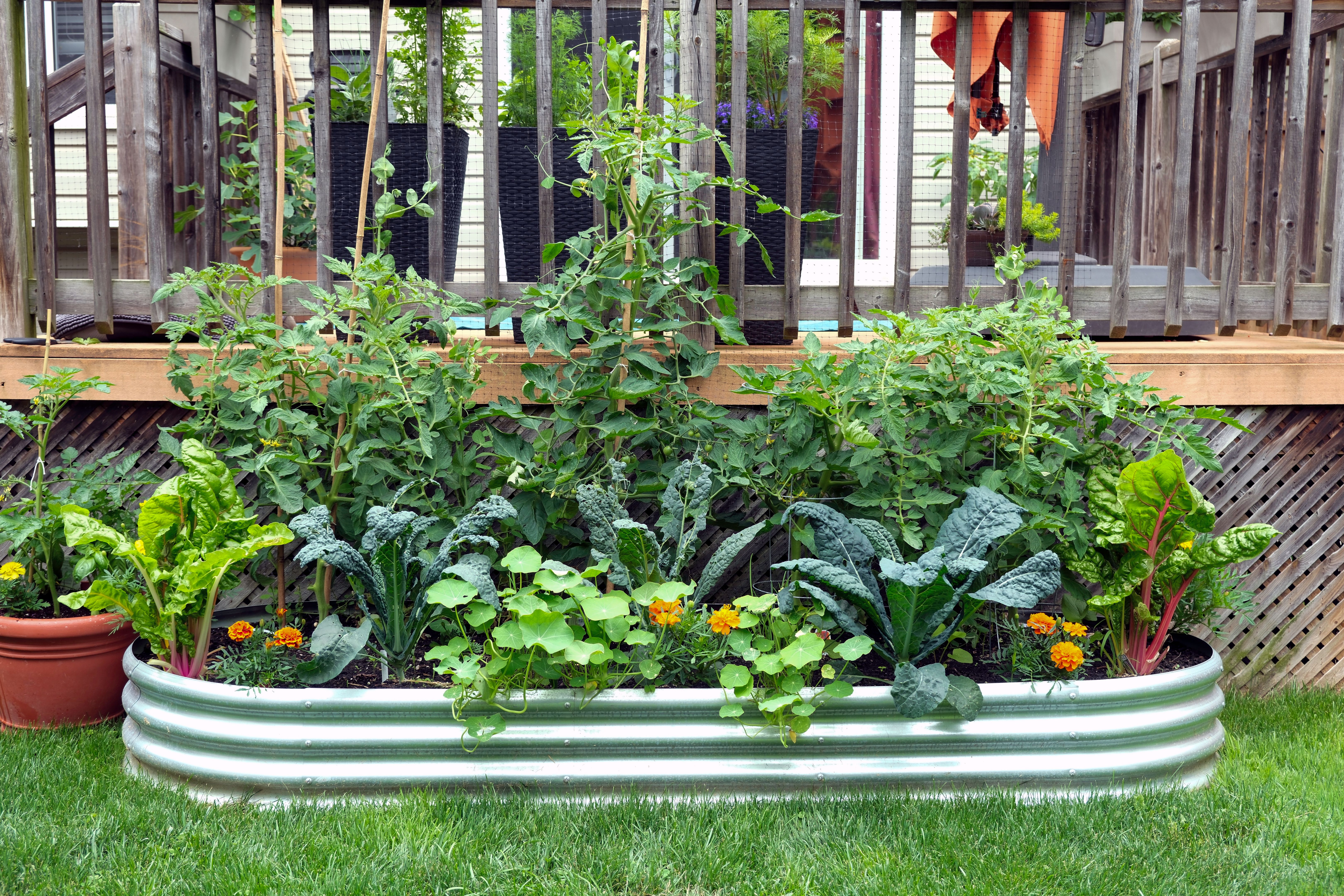
Designing a Thriving Garden with Permaculture Principles


Understanding Permaculture
Permaculture is a sustainable approach to gardening that emphasizes working with nature rather than against it. It involves designing landscapes that mimic the patterns and relationships found in natural ecosystems. By using permaculture principles, you can create a thriving garden that is both productive and environmentally friendly.
One of the core principles of permaculture is to observe and interact with your environment. Before you start planting, take time to understand the natural conditions of your garden, such as soil quality, sunlight, and water availability. This will help you make informed decisions about what to plant and where.
Building Healthy Soil
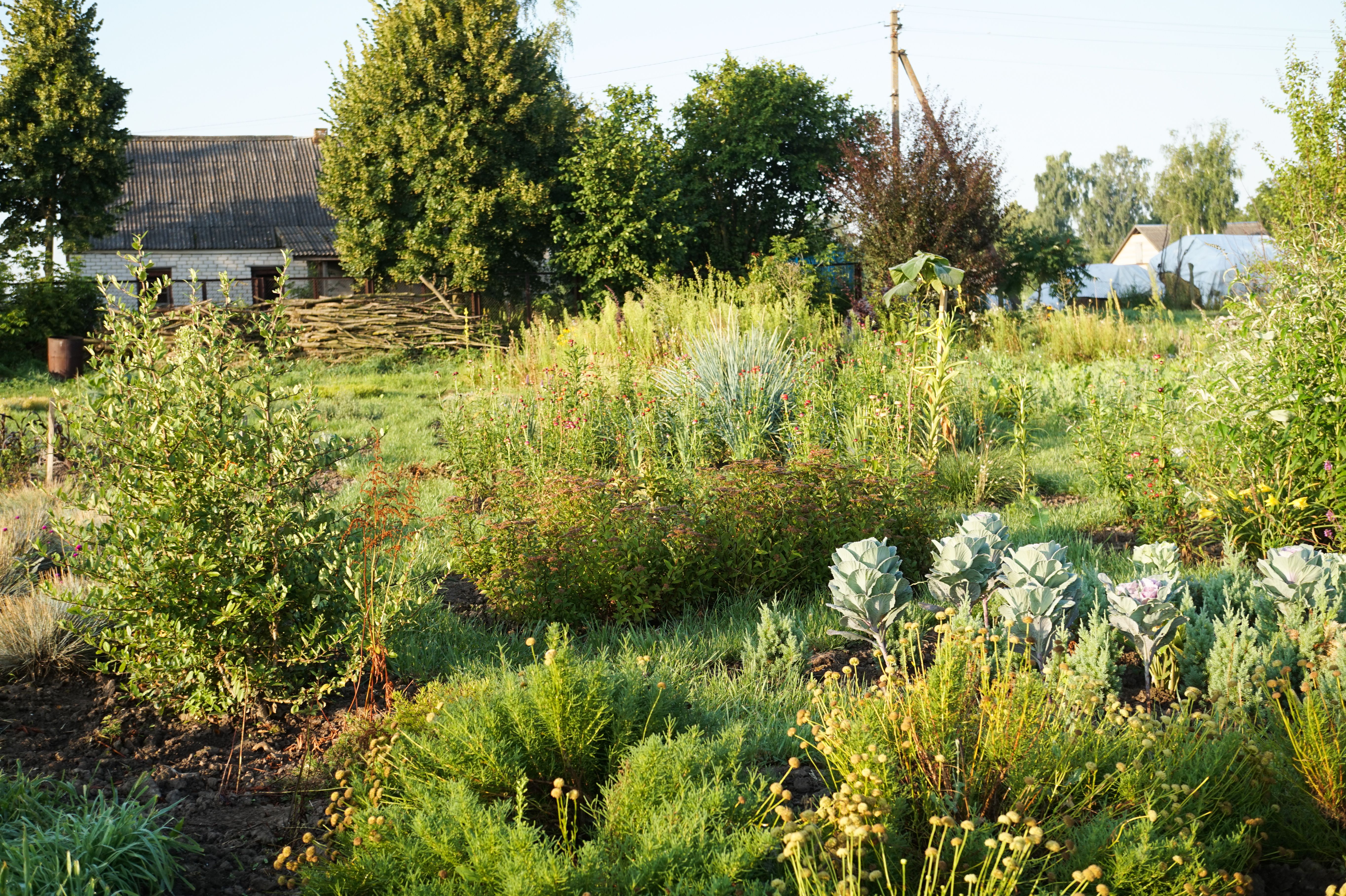
Healthy soil is the foundation of a successful permaculture garden. Focus on building rich, organic soil that will support a diverse range of plants. Start by adding organic matter such as compost, leaf mold, or well-rotted manure to improve soil structure and fertility.
Consider using cover crops, such as clover or vetch, to fix nitrogen and prevent soil erosion. Mulching is another effective technique to retain moisture, suppress weeds, and enhance soil health. By nurturing your soil, you create a resilient base for your garden to thrive.
Designing Plant Guilds
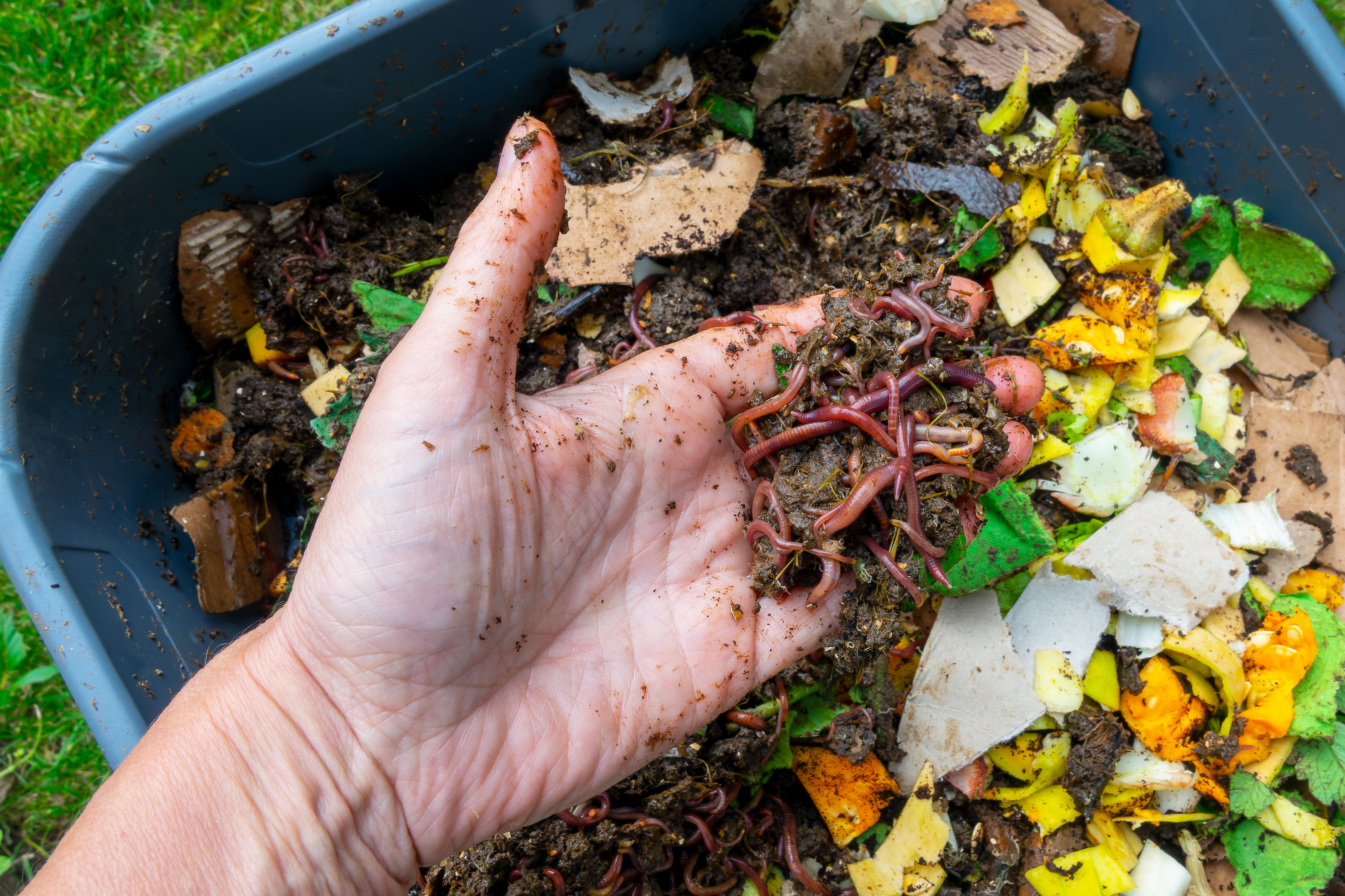
In permaculture, plants are arranged in guilds—groups of plants that support each other by fulfilling different roles. A classic example is the "Three Sisters" guild of corn, beans, and squash. The corn provides a structure for the beans to climb, the beans fix nitrogen in the soil, and the squash spreads across the ground to suppress weeds.
When designing your garden, think about how different plants can work together. Choose plants with complementary functions, such as those that attract beneficial insects, repel pests, or provide shade and support.

Water Management Strategies
Effective water management is crucial for a successful permaculture garden. Aim to maximize water retention and minimize waste. Techniques such as swales, rain gardens, and rainwater harvesting can help you make the most of natural rainfall.
Swales are shallow channels that capture and redirect rainwater to where it's needed most. Rain gardens are planted depressions that absorb runoff, and rain barrels can be used to collect and store rainwater for later use. These strategies ensure that your garden remains lush and productive, even during dry spells.

Encouraging Biodiversity
Biodiversity is a cornerstone of permaculture. By fostering a diverse range of plants, animals, and microorganisms, you create a balanced ecosystem that is less susceptible to pests and diseases. Plant a variety of species to create a habitat for beneficial insects, birds, and other wildlife.
Consider incorporating native plants, which are well-adapted to your local climate and soil conditions. They not only support local wildlife but also require less maintenance and water. A biodiverse garden is a resilient garden.

Implementing Edible Landscaping
Permaculture encourages the integration of edible plants into your landscape. This approach, known as edible landscaping, combines beauty with functionality. Incorporate fruit trees, berry bushes, and culinary herbs into your garden design to create a productive and visually appealing space.
When planning your edible landscape, consider the needs and growth habits of each plant. Ensure that taller plants don't overshadow smaller ones, and group plants with similar water and sunlight requirements together. This careful planning will maximize your garden's yield.